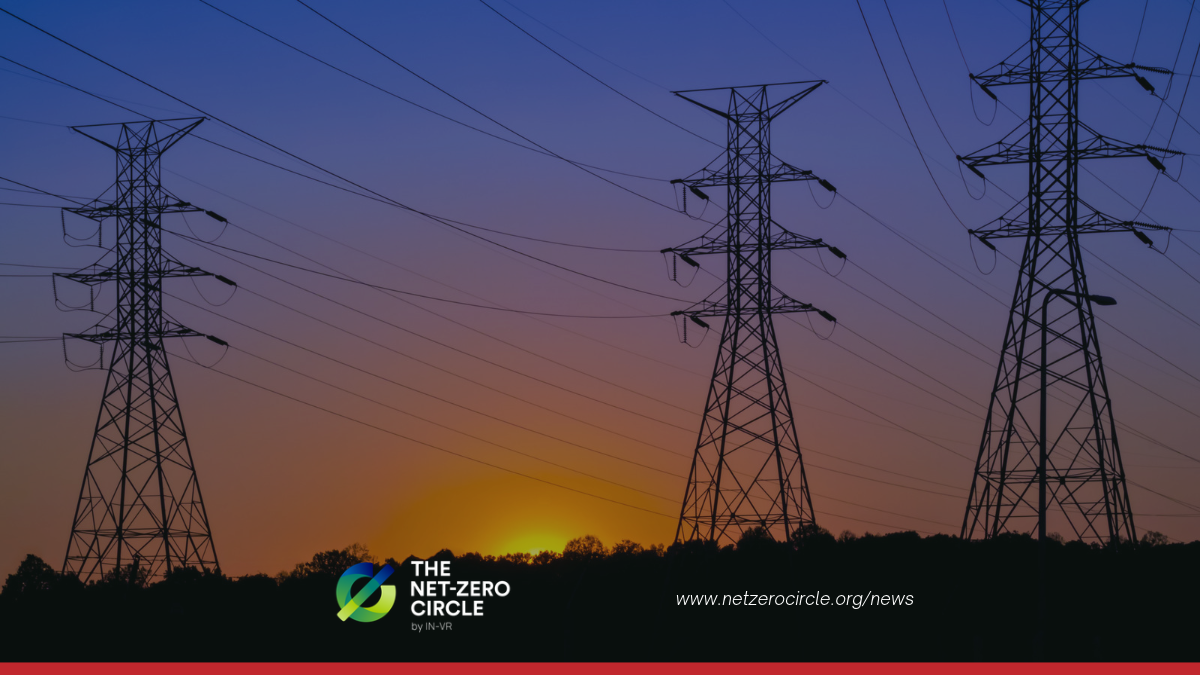
Morocco and Mauritania have completed the studies for their planned high-voltage electricity interconnection, marking an important step toward stronger cross-border electricity exchange. The project is expected to improve grid reliability, support Mauritania's future energy needs and create opportunities to connect West African electricity markets with Europe through Morocco.
Morocco and Mauritania signed their electricity interconnection agreement on February 4, 2025, through Morocco's National Office of Electricity and Drinking Water (ONEE) and Mauritania's Electricity Company (SOMELEC).
A separate agreement established technical cooperation between the two utilities, covering expert exchanges and staff training.
With the studies complete, the project has reached an important stage ahead of implementation. Its main objectives are to improve the reliability and stability of both electricity grids, enable electricity exchange between the two countries, support Mauritania's future electricity demand and create opportunities to export electricity toward Europe and West Africa through Morocco's grid.
The project also forms part of Morocco's Atlantic Initiative, which aims to strengthen economic and infrastructure links with West African countries.
Alongside the electricity project, Morocco and Mauritania are advancing plans to improve transport links between the two countries.
Morocco's ambassador to Mauritania, Hamid Chabar, highlighted a framework agreement signed in September to rehabilitate the approximately 480-kilometer road connecting Nouakchott, Mauritania's political capital, with Nouadhibou, its main economic center.
The wider corridor extends toward Morocco's Dakhla through the Guerguerat border crossing, supporting Morocco's Atlantic Initiative to improve access to the Atlantic for landlocked Sahel countries. The planned Dakhla Atlantic Port, expected to be completed by the end of 2028, is another key part of this strategy.
Trade and investment are also central to the expanding partnership.
During Morocco Week, Mauritanian Prime Minister Mokhtar Ould Diay met Morocco's Delegate Minister for Foreign Trade, Omar Hjira. The two sides agreed to modernize their trade agreement, originally signed in 1986, and work toward doubling bilateral trade.
Trade reached approximately MAD 3.7 billion ($370 million) in 2025, up 15% from 2024. Mauritania is now Morocco's second-largest African export market and its largest Arab market, while Morocco accounts for 37% of Mauritania's imports from Africa.
The two countries are targeting MAD 6 billion ($600 million) in bilateral trade by 2030, with plans to expand cooperation in agriculture, food industries, fishing, renewable energy and tourism.
Their joint roadmap includes:
The electricity interconnection, road rehabilitation and trade initiatives address different infrastructure needs but share a common objective: making cross-border economic activity easier and more reliable.
For Mauritania, the electricity connection could provide additional options for meeting future demand while creating opportunities to export power. Improved road links could also facilitate trade and access to regional markets.
For Morocco, the project strengthens its efforts to expand electricity links with West Africa and connect European and African energy markets. Together, these initiatives support a wider strategy to develop its Atlantic economic connections.
The next step is moving from agreements and completed studies to implementation. The long-term impact will depend on delivering the planned infrastructure and translating stronger connectivity into tangible economic benefits.