6 min
•
Ibtissam EL Assad

Morocco's self-generation decree: what the regulatory shift actually means

AN EXCLUSIVE INTERVIEW WITH:

Morocco's self-generation decree: what the regulatory shift actually means

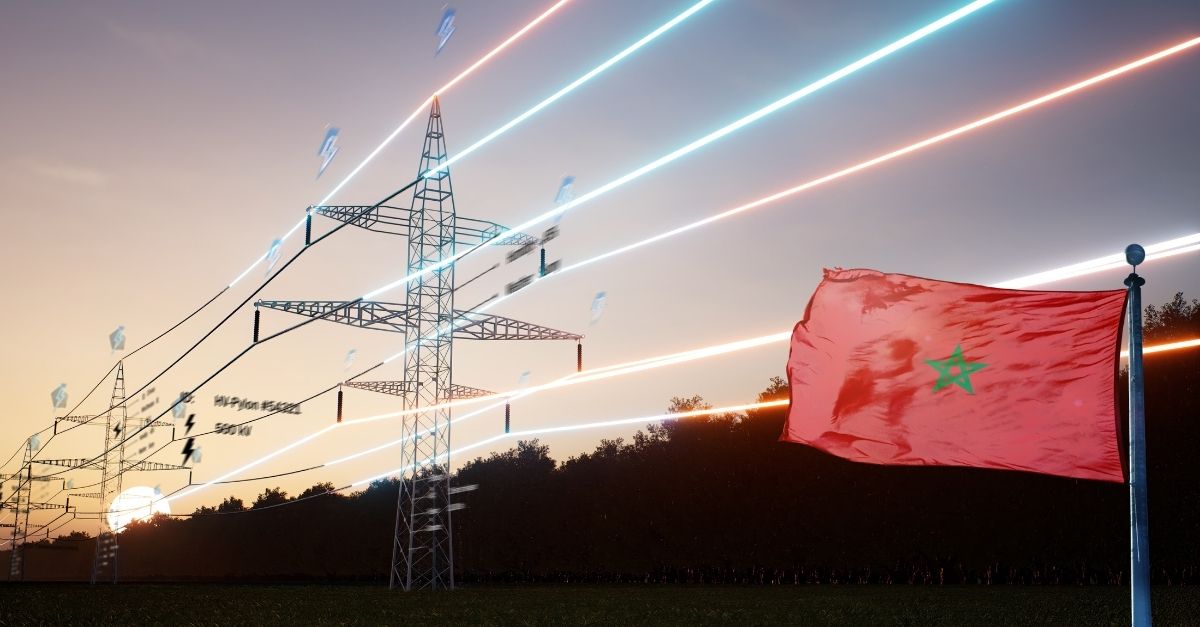
Morocco has published one of the more consequential clean energy regulatory moves on the continent this year. The implementing decree for Law 82-21 is now in effect, formally opening the door for private individuals and companies to generate renewable electricity for their own use and sell excess power back to the grid.

That might sound unremarkable to anyone familiar with net metering frameworks elsewhere, but in Morocco's context it represents a meaningful structural change. For years, the country's renewable energy ambitions (targeting more than 52% of installed electricity capacity from renewables by 2030) were largely built around centralized, utility-scale projects. Distributed, decentralized generation remained legally murky for private actors.

Law 82-21 clears that up.

What the decree actually allows

Under the new framework, both individuals and legal entities can install renewable energy systems for self-consumption. Critically, they can inject surplus electricity into the national grid and sell up to 20% of annual production to the Office National de l'Électricité et de l'Eau Potable (ONEE).

The decree also simplifies the authorization process, particularly for low-voltage installations. Fewer administrative steps means rooftop solar projects across commercial, industrial, and residential sectors become considerably easier to move from concept to commissioning.

Where the business opportunity sits

The industrial sector stands to gain the most in the near term. Energy costs are a significant operational variable for manufacturers, logistics operators, and agribusiness in Morocco. Self-generation rights give these businesses a direct lever to reduce grid electricity price exposure and cut their carbon footprint without waiting on centralized infrastructure development.

For solar developers and EPC contractors, this opens a pipeline of distributed projects that simply didn't exist in the same way before. The administrative simplification for low-voltage systems reduces the friction that typically kills smaller deals at origination.

Investors watching Morocco's clean energy space should pay attention to what this represents structurally. The country has the solar irradiance, the political will, and now an improving regulatory framework for distributed generation. The combination of a credible 2030 target and clearer private-sector on-ramps is a reasonable basis for increased deal flow in the rooftop and commercial and industrial solar segments.

A few things worth watching

The decree sets the framework, but implementation quality will determine whether it translates into bankable projects. Grid connection processes, metering arrangements, and how ONEE administers the surplus purchase mechanism in practice are all still open questions.

Morocco's track record on large-scale renewable delivery is strong. Whether that execution capability extends to a more distributed model remains to be seen, but the regulatory direction is clear. For anyone operating or investing in the North African clean energy space, this is a development worth building into your pipeline thinking now.

‍

RELATED POSTS

November 12, 2026
•
Article

Sahamco Unveils US$25 Billion Green Hydrogen and Ammonia Project in Dakhla

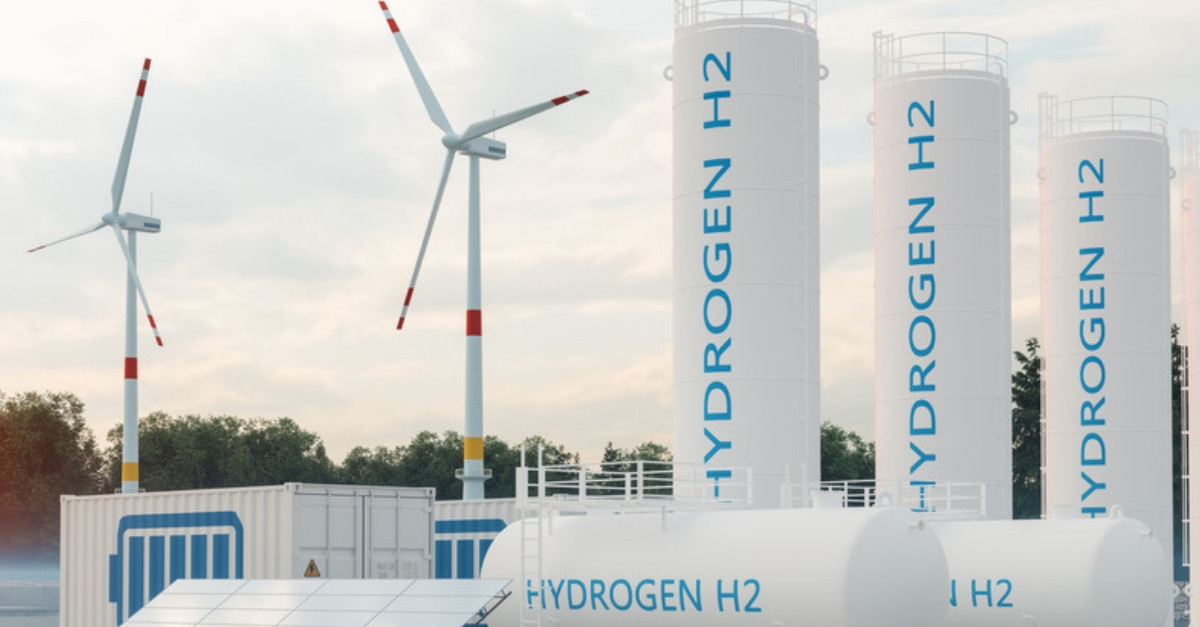
12 November 2026, London (The Net-Zero Circle) Emirati company Sahamco Holding BV has unveiled plans for a US$25 billion renewable hydrogen and ammonia project in Dakhla, in Morocco's Sahara region. It is one of the largest green molecule investments announced in the Kingdom to date. The project is designed to produce one million tonnes of renewable ammonia a year, powered by Dakhla's wind and solar resources. Sahamco says it has completed feasibility and pre-front-end engineering design (Pre-FEED) studies. Several key details, however, have not yet been made public, including the project's partners, financing structure, power capacity and construction timeline.

November 11, 2026
•
Article

Brazil Names 27 Critical and Strategic Minerals in Push to Build a Domestic Supply Chain

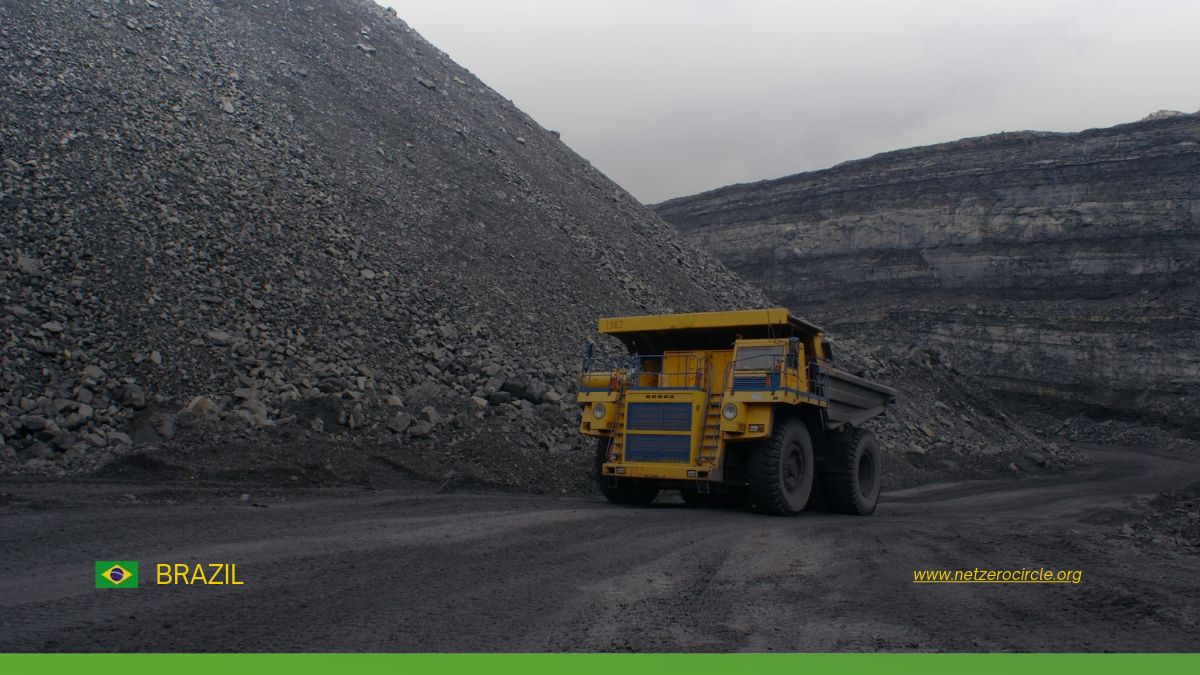
11 November 2026, London (The Net-Zero Circle) Brazil's critical minerals strategy is moving from principle to practice. The government has approved its first official list of critical and strategic minerals, naming 27 substances that will determine which projects can access new state financing as the country seeks to process more of its mineral wealth at home. The list gives investors a clearer picture of where Brasília intends to focus its support. How much it changes in practice, however, will depend on funding, on rules that are still being drafted and on the country's ability to attract private capital.
October 23, 2026
•
News

Brazilian Critical Minerals acquires 90% of Sais Nordeste to secure reagent supply for Ema rare earth project

22 October 2026, London (The Net-Zero Circle by IN-VR) Brazilian Critical Minerals (BCM) is moving upstream of its own mine to secure the reagent its rare earth project depends on. The ASX-listed company has signed a binding agreement, through its wholly owned subsidiary Mineração BBX do Brasil Ltda, to acquire a 90% stake in Sais Nordeste Indústria e Comércio Ltda, a magnesium sulphate producer in Feira de Santana, in the state of Bahia. Financial terms have not been disclosed. The deal reflects a wider shift in how rare earth developers outside China are approaching supply risk. Securing ore and refining capacity is no longer enough; the chemicals used to process that ore matter too. By bringing magnesium sulphate production under its own control in Brazil, BCM aims to cut its reliance on Chinese reagent supply chains and strengthen its position as an upstream supplier to the rare earth industry now being built in Western markets.