Agustina Serra

Mining in the Andes: Critical Minerals and the Next Phase of Global Investment

AN EXCLUSIVE INTERVIEW WITH:

A strategic region in a changing global economy

The Andean region has re-emerged as a focal point of global mining at a moment of profound transformation in the world economy. As electrification, renewable energy deployment and energy storage scale rapidly, demand for copper, lithium and other critical minerals has shifted from cyclical to structural.

Across Chile, Argentina and Peru, mining is increasingly shaped by long-term decarbonisation targets, energy security concerns and the reconfiguration of global supply chains. These dynamics are positioning the Andes not only as a source of raw materials, but as a strategic pillar of the net-zero transition.

Geological endowment and global relevance

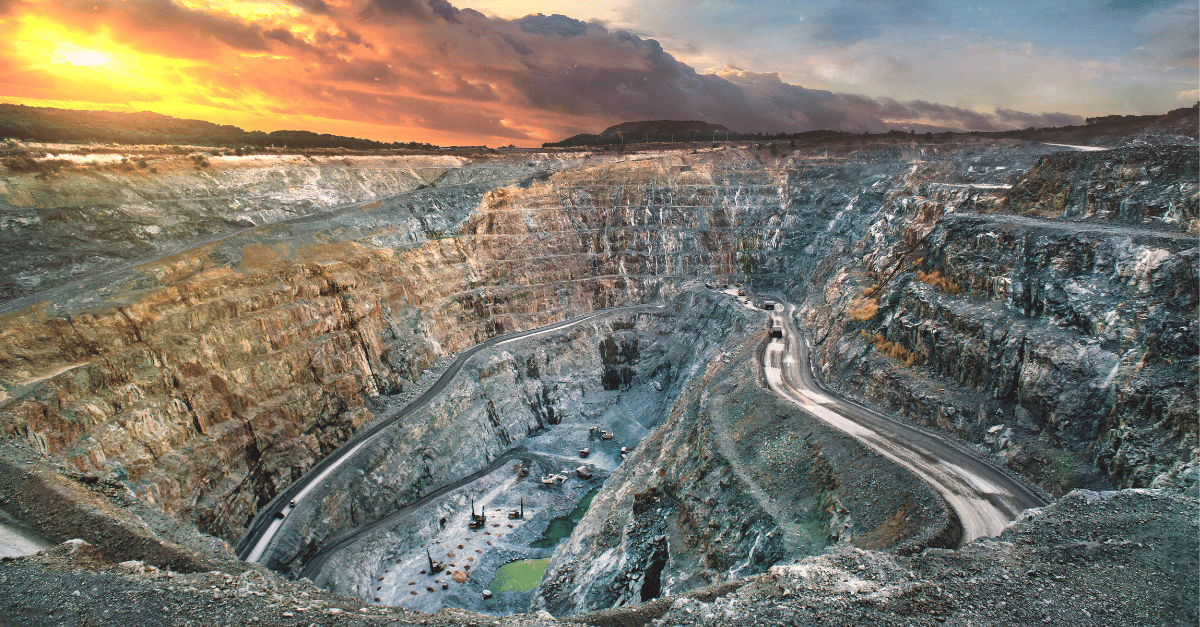
The Andes host some of the world’s most significant reserves of copper and lithium, two minerals considered essential for modern energy systems. Copper is fundamental to power grids, electric vehicles and renewable energy infrastructure, while lithium underpins battery storage and electric mobility.

International institutions have repeatedly highlighted the growing gap between projected demand for critical minerals and current global supply trajectories. Within this context, the Andean mining base represents a decisive variable in the feasibility and pace of the global energy transition.

Shifting investment dynamics across the Andes

Chile: scale, experience and long-term supply

Chile remains the anchor of Andean mining. As the world’s largest copper producer, it offers industrial-scale operations, deep technical expertise and long-life assets that continue to attract long-term capital. A mining investment pipeline estimated at over USD 100 billion reflects sustained commitment to copper and lithium development.

Recent institutional and regulatory changes, particularly in lithium governance, have generated debate within the sector. However, Chile continues to be perceived by investors as a mature and relatively predictable jurisdiction, central to future global copper supply.

Argentina: policy reform and renewed investor interest

Argentina has undergone a notable repositioning within the regional mining landscape. The introduction of the Large Investment Incentive Regime (RIGI) seeks to provide long-term fiscal and regulatory stability for large-scale projects, explicitly targeting foreign direct investment.

This shift has already translated into concrete developments. Major lithium projects have received approval, while the consolidation of the Vicuña district, one of the most significant undeveloped copper belts globally, has strengthened Argentina’s outlook as a future copper producer. Together, these dynamics position Argentina as a key complement to Chile within the Andean mining system.

Peru: continuity within a mature copper economy

Peru remains a central player in global copper markets. Although recent large-scale announcements have been more limited, the country’s existing production base and geological potential ensure continued relevance. Current policy debates focus on permitting efficiency and social stability, both critical to sustaining long-term investment.

Why the Andes matter for long-term capital

Structural demand drivers
Demand for copper and lithium is increasingly linked to electrification pathways and climate targets, reducing dependence on short-term economic cycles.

Scale and asset longevity
Mining projects across the Andes typically offer multi-decade production horizons, aligning with institutional capital seeking durable, infrastructure-like assets.

Improving investment frameworks
Policy initiatives such as Argentina’s RIGI and long-term mining strategies in Chile aim to enhance regulatory certainty and attract sustained foreign direct investment.

Geopolitical significance
As critical minerals gain prominence in global energy security strategies, Andean producers are becoming increasingly relevant within diversified supply chains.

From cyclical mining to structural relevance

Mining in the Andes is entering a new phase defined less by short-term commodity cycles and more by strategic necessity. Copper and lithium from the region are foundational inputs for the infrastructure of a low-carbon global economy.

For investors aligned with the energy transition, the Andes offer a rare combination of resource scale, asset longevity and global relevance. While risks remain, the region stands as a critical component of the next phase of global investment in critical minerals.

ARTICLES CONNEXES

January 30, 2026
Article

Mining in the Andes: Critical Minerals and the Next Phase of Global Investment

30 January 2026, London (The Net-Zero Circle by IN-VR) – The Andean region is re-emerging as a strategic hub for copper and lithium as global demand for critical minerals shifts from cyclical to structural. For long-term investors aligned with the net-zero transition, the Andes offer scale, asset longevity and growing geopolitical relevance within global energy supply chains.
January 27, 2026
Article

Renewable Energy Revolution in Morocco: How Masen Is Using GIS to Accelerate Clean Power Development

27 January 2026, London (The Net Zero-Circle by IN-VR) -- Morocco’s renewable energy ambitions are entering a new phase as Masen prepares to launch a nationwide GIS platform in 2026. The system will centralize geospatial data on solar and wind resources, helping optimize site selection, streamline project planning, and support the country’s goal of exceeding 52% renewable electricity in the coming years.
January 19, 2026
Article

Saudi Arabia and Morocco Deepen Energy Partnership with New Renewables Program

19 January 2025, London (The Net Zero Circle by IN-VR)--Saudi Arabia and Morocco signed a new program to boost renewable energy cooperation, joint projects, and research initiatives.