Morocco Expands Solar Infrastructure with Two New Power Stations in Khouribga

Armenia’s Rare Earth Opportunity: Can a Small Nation Power a Cleaner Tech Future?

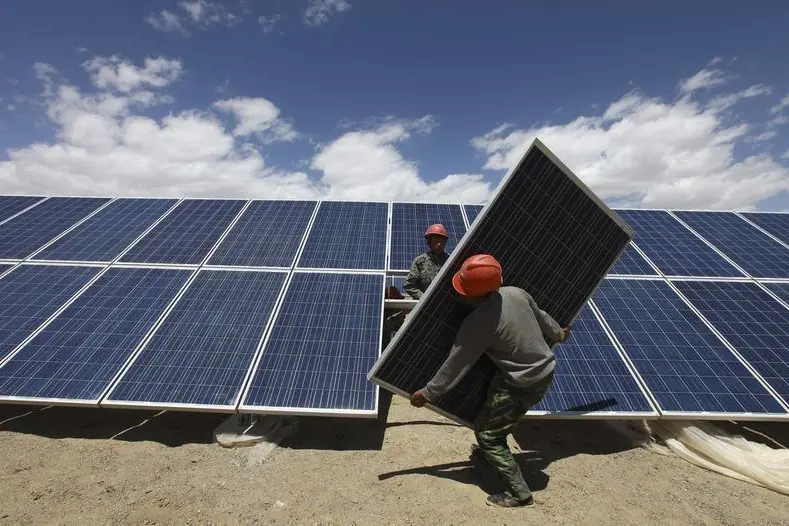
Morocco has officially approved the construction of two new solar power stations near Khouribga, marking a significant milestone in the North African nation's ambitious renewable energy transition. The initiative underscores Morocco's commitment to achieving its target of sourcing 52% of its electricity from renewable sources by 2030.
The Moroccan government, through a collaborative effort led by the Minister of the Interior and the Minister of Energy Transition and Sustainable Development, has greenlit the development of two solar facilities within the Oulad Kouaouech-Beni Zentel-Oulad Youssef Charkia community. The projects will span a combined 241 hectares, with individual sites covering 127 hectares and 114 hectares respectively.
The Moroccan Agency for Sustainable Energy (MASEN), the country's leading renewable energy development institution, is set to issue tenders for the construction of these plants in the coming months. This proactive approach demonstrates Morocco's continued leadership in renewable energy infrastructure development across the African continent.
The selection of Khouribga as the location for these new solar installations is particularly significant. Historically recognized as Morocco's phosphate production heartland, the region is now poised to play a dual role in the nation's economic future, maintaining its position as a mining center while simultaneously emerging as a key contributor to Morocco's green energy landscape.
This strategic diversification reflects Morocco's broader vision of integrating sustainable energy solutions across its industrial sectors, creating synergies between traditional industries and renewable energy infrastructure.
Morocco's solar ambitions are already well established through the success of the Noor solar complex in Ouarzazate, which has positioned the kingdom as a regional pioneer in concentrated solar power technology. The addition of the Khouribga solar plants will further strengthen Morocco's standing as a renewable energy leader, demonstrating the nation's capacity to scale solar infrastructure across diverse geographical regions.
Once operational, these facilities are anticipated to contribute substantially to Morocco's renewable energy output, which currently stands at approximately 46% of installed electricity capacity. The projects align seamlessly with the country's National Energy Strategy and its commitments under the Paris Agreement.
The Khouribga solar initiative is part of Morocco's broader renewable energy investment strategy, which has seen the country consistently ranked among the world's most attractive markets for renewable energy investment. The projects are expected to create employment opportunities during both construction and operational phases, while contributing to local economic development in the Khouribga region.
MASEN's involvement ensures that the projects will benefit from the agency's established framework for renewable energy development, which offers streamlined permitting, land acquisition support, and access to financing mechanisms. This "one-stop-shop" approach has been instrumental in attracting both domestic and international investors to Morocco's renewable energy sector.
The approval of these solar power stations represents another concrete step toward Morocco's ambitious 2030 renewable energy targets. The National Office of Electricity and Water (ONEE) is targeting an installed electrical capacity of 10.5 gigawatts from renewable energy by 2030, with 4.7 GW from solar, 4.3 GW from wind, and 1.5 GW from hydropower.
Morocco's renewable energy strategy extends beyond domestic energy security. The kingdom is positioning itself as a potential exporter of clean energy to European markets and as a hub for green hydrogen production, leveraging its abundant solar and wind resources to support the global energy transition.
As Morocco advances with the Khouribga solar projects, the initiative serves as a compelling example for other nations in the MENA region and beyond. The kingdom's integrated approach combining supportive government policies, strategic institutional frameworks, and international collaboration demonstrates that ambitious renewable energy targets are not only achievable but can also drive economic diversification and sustainable development.
The construction of these solar power stations in Khouribga reinforces Morocco's position at the forefront of Africa's renewable energy revolution, showcasing the nation's unwavering commitment to a cleaner, more sustainable energy future for generations to come.