10 Min
•
Ali Sharawy

Andean Mining 2026: Investment Is Growing, but Execution Will Define the Next Phase

AN EXCLUSIVE INTERVIEW WITH:

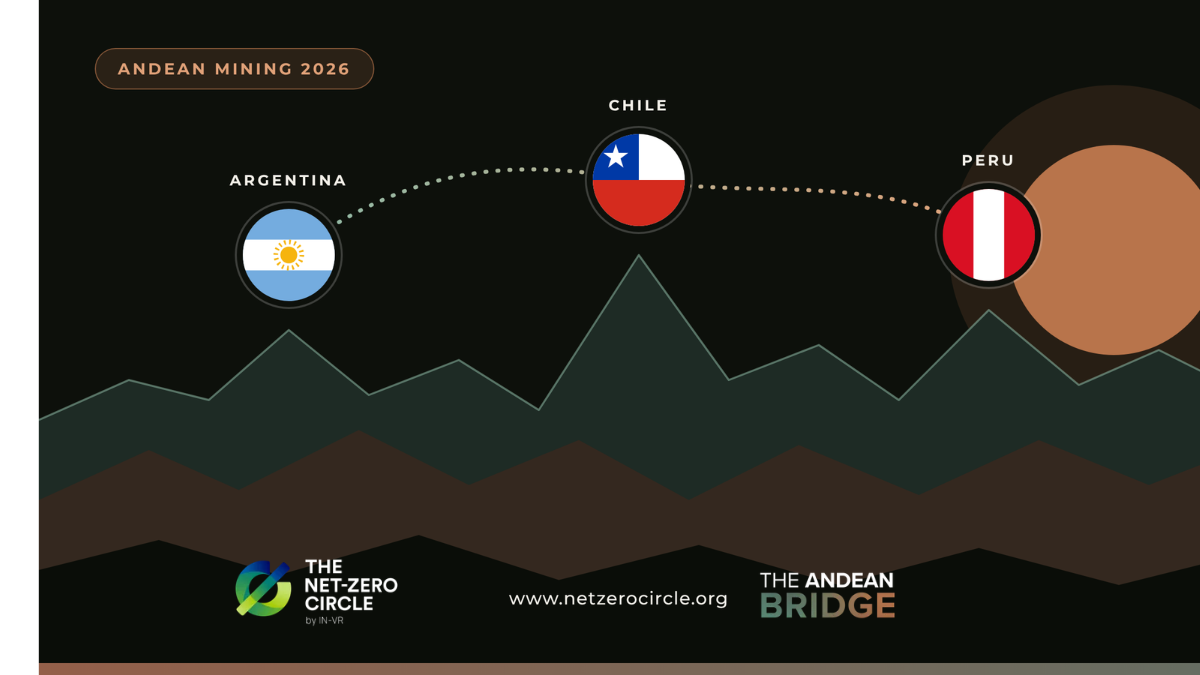
Argentina, Chile and Peru are attracting growing interest from international mining investors, with copper and lithium driving much of the region's appeal. New projects, strategic partnerships and government investment incentives are creating opportunities across the Andean mining sector.

But attracting investment is only the first step. The bigger challenge is bringing projects into construction and production, particularly in markets where permitting, infrastructure, water availability and operating conditions can affect development timelines.

As the region moves towards 2027, each country is following a different growth path. Argentina is expanding its lithium industry while developing a major copper pipeline. Chile is looking to maintain production through partnerships and operational improvements, while Peru is working to turn its substantial copper resources into new mining capacity.

Argentina: Lithium Expansion Opens the Door to Copper Investment

Argentina's mining industry recorded strong export growth in 2026, supported by rising lithium production and continued gold exports.

Between January and September, mining exports reached US$6.723 billion, representing a 59.3% year-on-year increase. Lithium exports totalled US$1.624 billion, up 173%, while export volumes increased by 45.3%.

The expansion is attracting major international players. Rio Tinto inaugurated two lithium plants at Hombre Muerto in Catamarca in October, strengthening its position in the country's lithium industry. Its Argentine investment pipeline has reached US4.4billion,withafurtherpotentialUS1 billion development under evaluation.

Eramet has also announced plans to invest approximately US$350 million in expanding its Argentine lithium operations, potentially adding 11,000 tonnes per year of lithium-carbonate-equivalent capacity.

Beyond lithium, Argentina is beginning to establish itself as a more significant copper investment destination. Three major developments received approval under the RIGI investment regime in 2026: PSJ Cobre Mendocino, Vicuña and Agua Rica.

Vicuña has outlined an investment plan worth approximately US$9.7 billion, while Agua Rica represents a further US$6.4 billion in potential investment. Together, these projects could strengthen Argentina's position in the global copper market, although their progress will depend on financing, infrastructure development and construction timelines.

For investors, Argentina's opportunity is increasingly about diversification: lithium is generating export growth today, while copper could become a major driver of the country's next mining investment cycle.

Chile: Partnerships and Infrastructure Will Support the Next Growth Cycle

Chile remains one of the world's leading copper producers, but maintaining output from its established mining operations is becoming increasingly challenging.

Cochilco projected copper production of 4.94 million tonnes in 2026, an 8.4% decline from the previous year. Lower ore grades, maintenance requirements and operational interruptions have affected production at major mines, including Escondida, Codelco and Spence.

Codelco has also faced these pressures, reporting a 10.1% year-on-year decline in attributable copper production during the first half of the year. At the same time, its capital expenditure reached US$2.5 billion, highlighting the investment required to sustain and develop its operations.

Despite these challenges, mining companies are pursuing partnerships to unlock additional resources and extend production capacity.

One of the most significant developments is the joint mining plan agreed between Codelco and Anglo American for Andina and Los Bronces. The initiative could add approximately 2.7 million tonnes of copper over 21 years, subject to regulatory approvals.

Codelco is also advancing new opportunities with Rio Tinto, Pucobre and BHP, including its Tovaku project with Pucobre, which targets annual production of 46,000 tonnes of copper cathodes from 2030.

However, expanding production will require more than new mining projects. Water and energy infrastructure are becoming increasingly important to Chile's long-term mining outlook.

Seawater use in copper mining reached 8.11 cubic metres per second in 2025, while recycled and recirculated water accounted for 72.5% of total consumption. As mines rely more heavily on desalination and water-intensive infrastructure, electricity requirements are also expected to increase.

Chile's National Critical Minerals Strategy and efforts to simplify administrative procedures reflect the government's broader ambition to support investment while maintaining environmental standards.

The investment opportunity in Chile is therefore twofold: developing new copper resources and providing the infrastructure, technology and energy needed to keep existing operations competitive.

Peru: A Major Copper Pipeline Awaits Development

Peru continues to offer significant potential for mining investors, particularly in copper. Strong fiscal results and a substantial project pipeline underline the importance of the sector to the country's economy.

Mining fiscal receipts reached S/29.1 billion between January and August 2026, an increase of 80.1% year on year. Copper production also increased by 2.2% during January–July.

The government believes Peru could add approximately one million tonnes of annual copper production within five to six years, supported by a project pipeline valued at around US$64 billion, approximately 70% of which is linked to copper.

Several projects illustrate the scale of this opportunity. La Granja has an estimated investment requirement of US2.4billion,whileLosCalatosrepresentsafurtherUS655 million development. Zijin has also announced plans to invest approximately US$1.5 billion in expanding the La Arena copper-and-gold mine and extending its operating life.

However, Peru's challenge is not simply attracting investment. It is ensuring that projects move through permitting, development and construction without prolonged delays.

The government is reviewing administrative requirements and exploring ways to simplify the approval process while maintaining environmental standards. Community engagement will also remain essential, particularly for large-scale developments that depend on local support.

Projects such as Tía María, Pampa de Pongo and Optimización Cerro Verde are expected to contribute to future mining investment. Their progress will help determine whether Peru can translate its substantial copper resources into higher production over the coming years.

For investors, Peru offers a considerable pipeline of copper opportunities, but project timelines and regulatory predictability will remain central to investment decisions.

Andean Mining in 2027: Where Will Investment Opportunities Emerge?

Looking ahead, Argentina, Chile and Peru offer different opportunities within the regional mining market.

Argentina is positioning itself as a growing destination for lithium and copper investment, supported by new projects and incentives under RIGI. Chile offers established mining infrastructure and experienced operators, with opportunities in mine expansion, water management and energy supply. Peru has significant potential to increase copper production, provided its project pipeline progresses towards development.

The opportunities also extend beyond mining companies themselves.

Power generation, desalination, mineral processing, transport, logistics, mining equipment and project finance will all play an important role in supporting the next phase of regional development.

For international investors and service providers, these supporting industries could offer opportunities alongside direct investment in mining assets.

Investment Is Growing. Delivery Will Determine What Comes Next.

The Andean mining sector enters 2027 with strong investor interest, expanding project pipelines and growing importance in global mineral supply chains.

However, the next phase will be measured by more than investment announcements. The ability to secure financing, develop infrastructure, obtain approvals and maintain productive relationships with local communities will determine which projects move forward.

Argentina, Chile and Peru each have the resources and investment opportunities to strengthen their positions in the global mining industry. The real differentiator will be their ability to turn that potential into operating mines and sustainable production.

RELATED POSTS

November 20, 2026
•
Article

Andean Mining 2026: Investment Is Growing, but Execution Will Define the Next Phase

20 November 2026, London (The Net-Zero Circle). Andean Mining 2026: Investment across Argentina, Chile and Peru is accelerating, driven by copper and lithium opportunities. As the region looks towards 2027, infrastructure, permitting and project execution will determine whether growing investor interest translates into sustainable mining growth.
November 16, 2026
•
Article

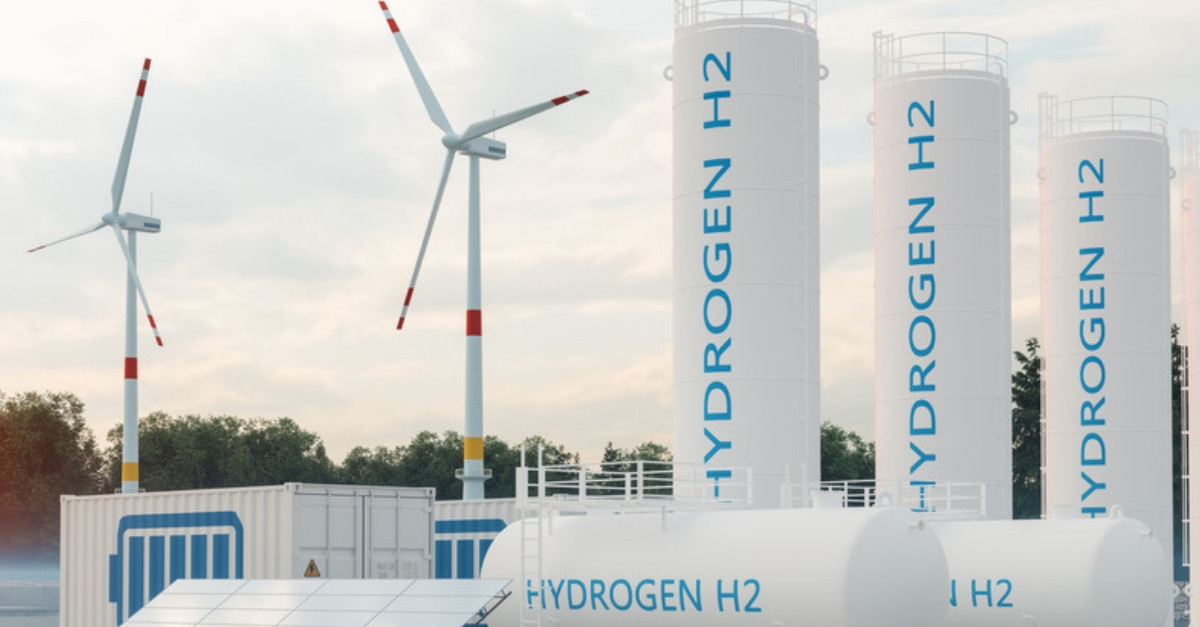
Sahamco Unveils US$25 Billion Green Hydrogen and Ammonia Project in Dakhla

12 November 2026, London (The Net-Zero Circle) Emirati company Sahamco Holding BV has unveiled plans for a US$25 billion renewable hydrogen and ammonia project in Dakhla, in Morocco's Sahara region. It is one of the largest green molecule investments announced in the Kingdom to date. The project is designed to produce one million tonnes of renewable ammonia a year, powered by Dakhla's wind and solar resources. Sahamco says it has completed feasibility and pre-front-end engineering design (Pre-FEED) studies. Several key details, however, have not yet been made public, including the project's partners, financing structure, power capacity and construction timeline.
November 16, 2026
•
Article

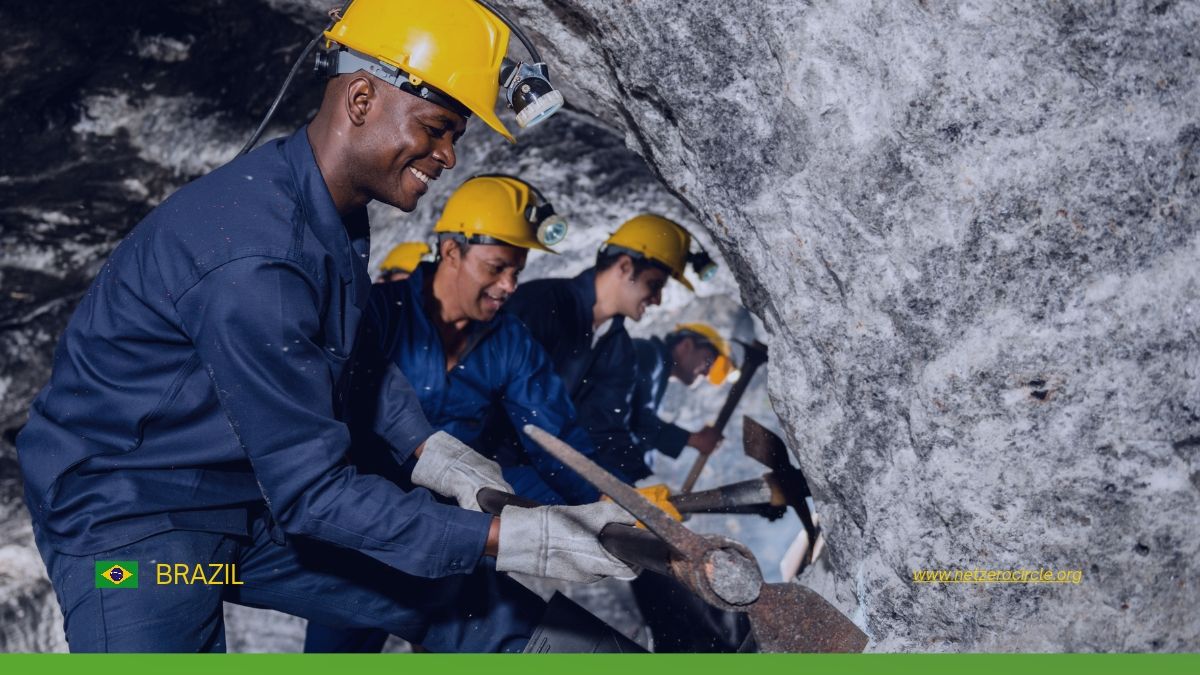
Brazil Names 27 Critical and Strategic Minerals in Push to Build a Domestic Supply Chain

11 November 2026, London (The Net-Zero Circle) Brazil's critical minerals strategy is moving from principle to practice. The government has approved its first official list of critical and strategic minerals, naming 27 substances that will determine which projects can access new state financing as the country seeks to process more of its mineral wealth at home. The list gives investors a clearer picture of where Brasília intends to focus its support. How much it changes in practice, however, will depend on funding, on rules that are still being drafted and on the country's ability to attract private capital.