


October 22, 2026
•

News
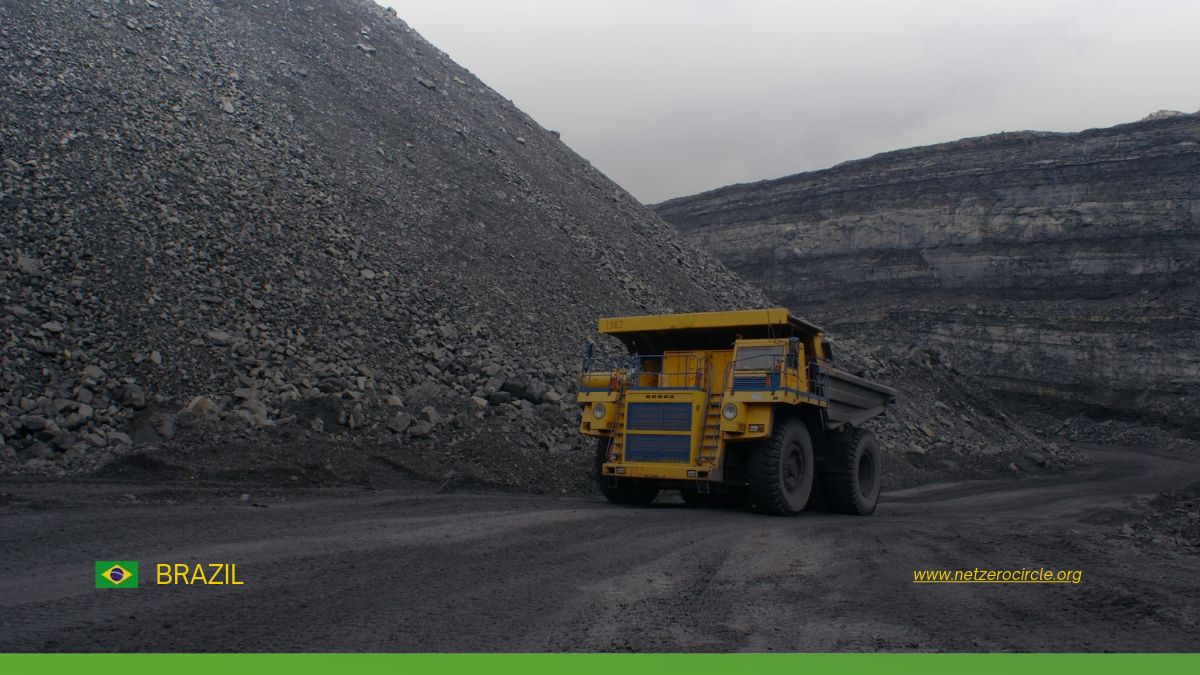
Brazilian Critical Minerals acquires 90% of Sais Nordeste to secure reagent supply for Ema rare earth project
22 October 2026, London (The Net-Zero Circle by IN-VR) Brazilian Critical Minerals (BCM) is moving upstream of its own mine to secure the reagent its rare earth project depends on. The ASX-listed company has signed a binding agreement, through its wholly owned subsidiary Mineração BBX do Brasil Ltda, to acquire a 90% stake in Sais Nordeste Indústria e Comércio Ltda, a magnesium sulphate producer in Feira de Santana, in the state of Bahia. Financial terms have not been disclosed.
The deal reflects a wider shift in how rare earth developers outside China are approaching supply risk. Securing ore and refining capacity is no longer enough; the chemicals used to process that ore matter too. By bringing magnesium sulphate production under its own control in Brazil, BCM aims to cut its reliance on Chinese reagent supply chains and strengthen its position as an upstream supplier to the rare earth industry now being built in Western markets.
October 15, 2026
•
Article
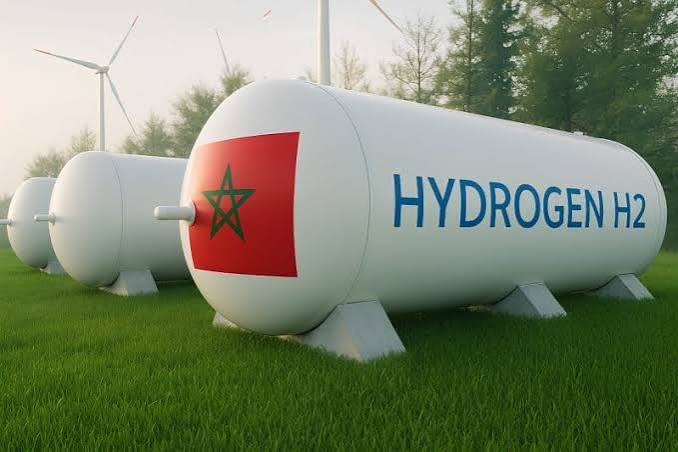
Upper Austria Turns to Morocco as Europe’s Industrial Heartland Searches for Green Hydrogen
14 October 2026, Tangier (The Net-Zero Circle by IN-VR): An Upper Austrian delegation led by Markus Achleitner and Günther Steinkellner visited Tanger Med and Moroccan industrial partners to explore green hydrogen imports and industrial cooperation. Morocco has seven hydrogen projects advancing, with around 15 GW of renewable capacity planned, as it prepares to begin exports from 2030.
September 30, 2026
•
Article
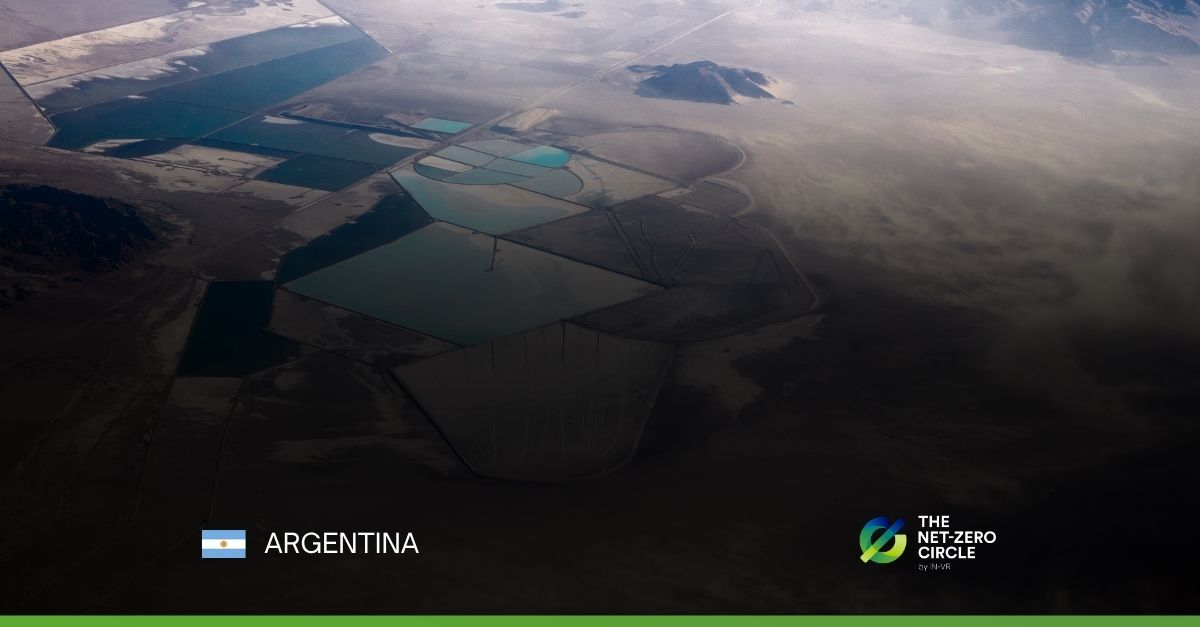
Salta’s Lithium Exports Get a 240-Tonne Boost
Salta has launched its first on-site customs facility for a lithium operation at Ganfeng’s General Güemes processing plant. The system allows lithium chloride to be consolidated, inspected and cleared for export directly at the facility. Following a 240-tonne pilot shipment, the model could help improve the efficiency, traceability and scalability of Salta’s lithium export chain.


