Ignacio Mehech: “Chile’s biggest challenge is meeting global lithium demand while upholding social and environmental standards”

AN EXCLUSIVE INTERVIEW WITH:
Ignacio Mehech, CEO

What is the main challenge that Chile is facing today in energy development?

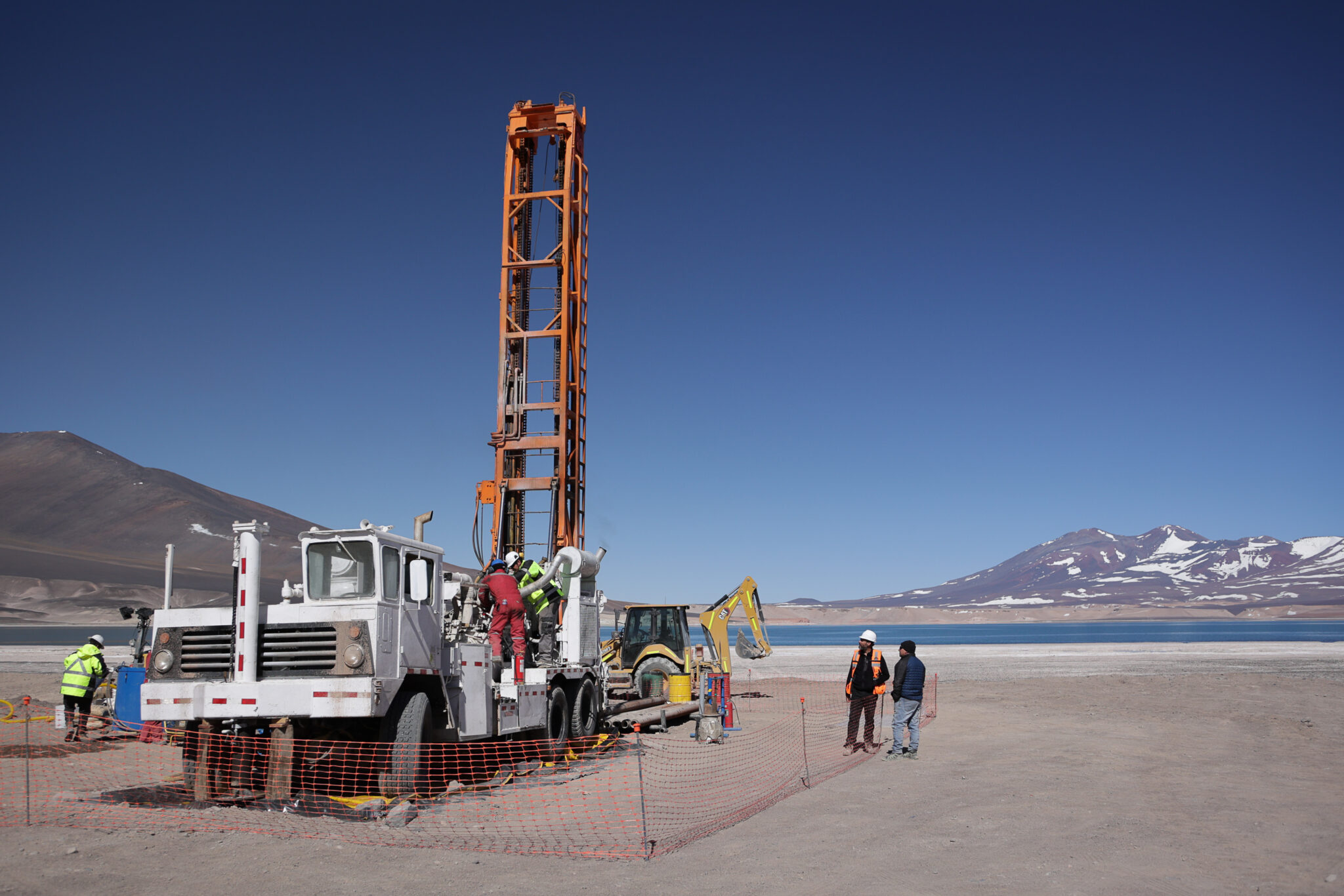
Chile has a bright future ahead in relation to the energy transition. Not only does it have excellent conditions to generate significant amounts of renewable energy but is also, according to many analysts, home to the largest reserves of lithium in the world, a critical mineral that is key for this transition away from fossil fuels. In this regard, Chile´s biggest challenge is how to develop lithium projects quickly enough to meet the global demand while assuring high levels of environmental and social standards. Companies like CleanTech Lithium aim at both utilizing more efficient technologies such as Direct Lithium Extraction (DLE) to extract and process lithium, use renewable energies and recycling processed water to reduce total consumption, and work closely with local indigenous communities to share value.

As the CEO of a lithium company advancing clean energy solutions, how do you see Chile’s role evolving in the global critical minerals supply chain?

Chile will play a fundamental role in the years to come. It´s openness to global markets and rule of law tradition will enable the development of new projects that will allow the world to meet the demand of these critical minerals. Lithium, cobalt, copper, gold and other minerals extracted and processed in Chile will be able to be distributed to different global regions where batteries and EVs are manufactured.

With your experience across law, public affairs and sustainability, what do you believe is key to building long-term trust between the lithium industry, communities and government stakeholders?

In my experience, transparency and collaboration are the key to develop the necessary trust between the different actors. Local communities, governments, vendors, industry experts and end customers, all of them want to understand how lithium is produced, how much value is shared in the country, and how they can contribute to the energy transition by using our products and collaborating with us.

Today, stakeholders want more than just annual reports or declarations of good will, they want verifiable information that can be independently confirmed; and they want humility and accountability from companies to acknowledge areas of improvement and seek for continuous improvement.  Therefore, building knowledge and doing joint research with universities and other institutions, developing local vendors, and sharing timely, accurate and transparent information about our processes and impacts are aspects that need to be part of any project.

ARTICLES CONNEXES

February 2, 2026
Article

Taqa Morocco and JBIC Partner to Advance Sustainable Energy Infrastructure

2 February 2026, Taqa Morocco and JBIC have signed an MoU to finance sustainable energy and water infrastructure projects through 2030. The agreement supports Morocco’s decarbonization goals and strengthens energy security by leveraging Japanese investment and expertise to modernize the Kingdom’s utility sector.
January 30, 2026
Article

Mining in the Andes: Critical Minerals and the Next Phase of Global Investment

30 January 2026, London (The Net-Zero Circle by IN-VR) – The Andean region is re-emerging as a strategic hub for copper and lithium as global demand for critical minerals shifts from cyclical to structural. For long-term investors aligned with the net-zero transition, the Andes offer scale, asset longevity and growing geopolitical relevance within global energy supply chains.
January 27, 2026
Article

Renewable Energy Revolution in Morocco: How Masen Is Using GIS to Accelerate Clean Power Development

27 January 2026, London (The Net Zero-Circle by IN-VR) -- Morocco’s renewable energy ambitions are entering a new phase as Masen prepares to launch a nationwide GIS platform in 2026. The system will centralize geospatial data on solar and wind resources, helping optimize site selection, streamline project planning, and support the country’s goal of exceeding 52% renewable electricity in the coming years.