10 min
•
Luana Torruella

Exclusive Interview with Schneider Electric

AN EXCLUSIVE INTERVIEW WITH:
Schneider Electric

Exclusive Interview with Schneider Electric

Sector-Specific Solutions: Schneider Electric, a globally recognized leader in sustainable energy management and automation, continues to expand its impact in Argentina. Could you share the specific solutions and technological adaptations you are implementing to improve energy efficiency and management in local projects?‍

Schneider Electric is implementing solutions tailored to local needs to enhance energy efficiency and management in projects across the country. These solutions include the integration of advanced technologies that allow for more precise and efficient management of energy resources, thus optimizing performance and reducing environmental impact. Key to this transformation are software for Distributed Energy Resource Management, the development of Digital Electrical Twins, and Integrated Operations Management. A crucial approach has been adapting their global technologies to the specifics of the local market, which allows for greater efficiency and customization in their projects.

‍

Growth and Expansion: Known for its ability to adapt locally in a global context, what are the key strategies Schneider Electric has employed to deepen its presence in the Argentine market and the Southern Cone, particularly in the energy sector?

Schneider Electric's growth strategy in Argentina and the Southern Cone is based on our deep understanding of the local market and the ability to adapt to the region's specific needs. This strategy includes partnerships with local players and continuous investment in technological innovation. In Argentina, we recently inaugurated our new plant in Pacheco, where we develop new technologies in fully digitalized Medium Voltage Systems and high-value sustainability solutions such as our new SM AirSet. Additionally, we are strengthening our presence in key energy sectors, consolidating ourselves as a trusted partner in the region.

‍

Digital Transformation in Energy Management: Schneider Electric leads the digital transformation in energy management and automation. How are you integrating new technologies to optimize the lifecycle of energy assets, and what levels of digitalization are you implementing to help companies achieve their sustainability goals?

Digitalization has been implemented at multiple levels, from real-time monitoring to the use of artificial intelligence for the prediction and optimization of energy consumption. This also includes managing available energy resources, both renewable and non-renewable, and asset management to improve energy availability and optimize operational costs. These technologies not only help companies achieve their sustainability goals but also improve operational efficiency and cost reduction.

‍

Customer-Centric Services: With a strong commitment to sustainability and efficiency, how does Schneider Electric ensure that its solutions are effective and personalized for the complex energy challenges in Argentina and the rest of Latin America?

Our commitment to sustainability and efficiency is reflected in personalized solutions. To address the complex energy challenges of Argentina and Latin America, the company offers customized services and Digital Services tailored to the specific needs of each client, ensuring that the solutions are effective and aligned with each client's sustainability goals. This customer-centric approach has allowed Schneider Electric to maintain high levels of satisfaction and loyalty.

‍

Innovations in Risk Management: Driving digital transformation from the point of use to the cloud, Schneider Electric stands out in energy risk management. Could you detail a recent innovation that has made a significant difference in energy-intensive sectors?

In energy risk management, we have introduced significant innovations that make a difference in challenging sectors. One of the recent innovations is the development of a cloud-based energy management platform, which allows for greater flexibility and control in managing energy resources. This platform has proven crucial in sectors with high variability in energy consumption, providing advanced tools for risk prediction and mitigation.

‍

Strategic Objectives: Looking ahead, what are Schneider Electric's main objectives for expanding its influence in the Latin American energy market in the coming years?

Looking to the future, Schneider Electric has ambitious goals to expand its influence in the Latin American energy market. These objectives include increasing the adoption of sustainable technologies, innovating in the electrification of industrial processes, digitizing electrical and energy systems based on digital twins, strengthening its network of strategic partners, and continuous investment in technological innovation. We aim not only to lead in terms of technology and solutions but also to promote sustainable and responsible practices throughout the region.

‍

Expectations as a Sponsor:As a sponsor of the Argentina Energy Summit, what are Schneider Electric's expectations for the event? How do you plan to leverage this platform to improve your visibility and strengthen relationships within the energy sector?

As a sponsor of the Argentina Energy Week 2024, we aim to strengthen our relationships within the energy sector. The event represents a key platform to showcase our innovations and share our vision for the future of sustainable energy. We want to take advantage of this opportunity to establish new collaborations and promote the exchange of knowledge and best practices in the market.

RELATED POSTS

November 16, 2026
•
Article

Sahamco Unveils US$25 Billion Green Hydrogen and Ammonia Project in Dakhla

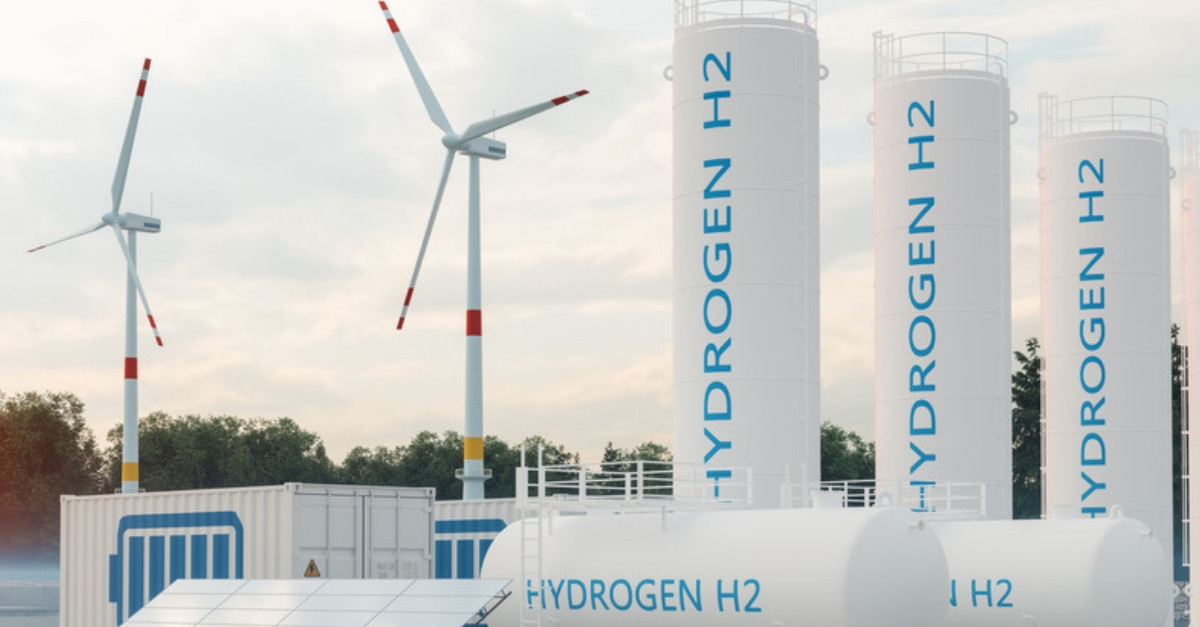
12 November 2026, London (The Net-Zero Circle) Emirati company Sahamco Holding BV has unveiled plans for a US$25 billion renewable hydrogen and ammonia project in Dakhla, in Morocco's Sahara region. It is one of the largest green molecule investments announced in the Kingdom to date. The project is designed to produce one million tonnes of renewable ammonia a year, powered by Dakhla's wind and solar resources. Sahamco says it has completed feasibility and pre-front-end engineering design (Pre-FEED) studies. Several key details, however, have not yet been made public, including the project's partners, financing structure, power capacity and construction timeline.
November 16, 2026
•
Article

Brazil Names 27 Critical and Strategic Minerals in Push to Build a Domestic Supply Chain

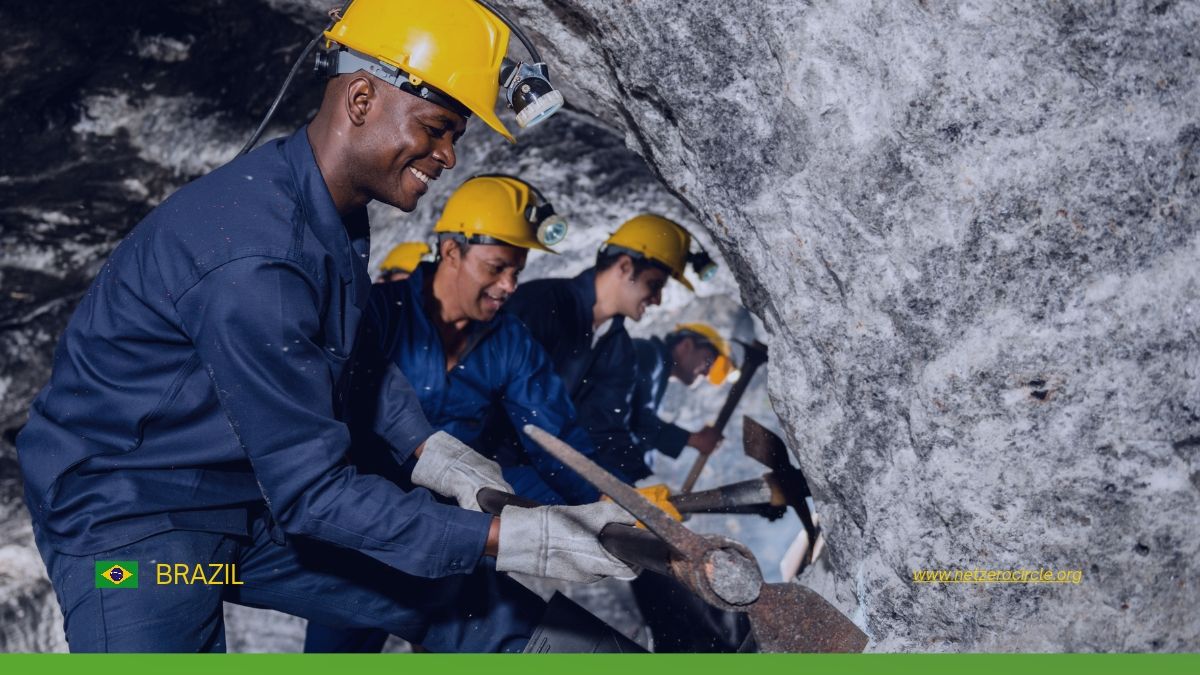
11 November 2026, London (The Net-Zero Circle) Brazil's critical minerals strategy is moving from principle to practice. The government has approved its first official list of critical and strategic minerals, naming 27 substances that will determine which projects can access new state financing as the country seeks to process more of its mineral wealth at home. The list gives investors a clearer picture of where Brasília intends to focus its support. How much it changes in practice, however, will depend on funding, on rules that are still being drafted and on the country's ability to attract private capital.
October 23, 2026
•
News

Brazilian Critical Minerals acquires 90% of Sais Nordeste to secure reagent supply for Ema rare earth project

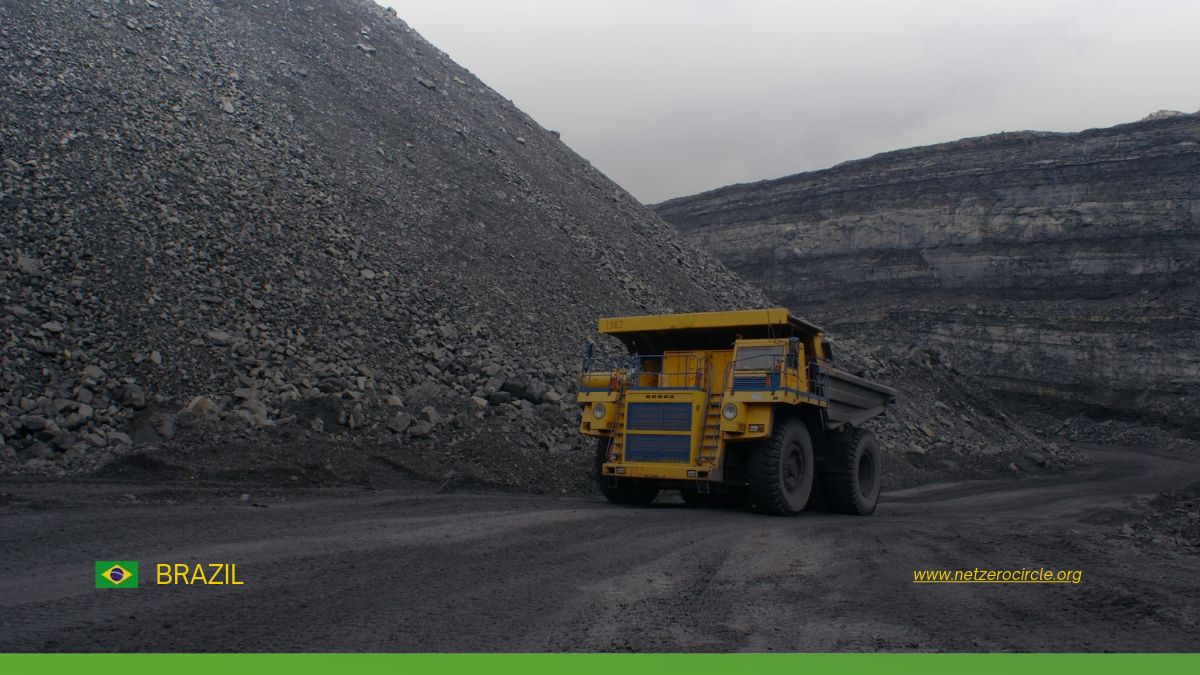
22 October 2026, London (The Net-Zero Circle by IN-VR) Brazilian Critical Minerals (BCM) is moving upstream of its own mine to secure the reagent its rare earth project depends on. The ASX-listed company has signed a binding agreement, through its wholly owned subsidiary Mineração BBX do Brasil Ltda, to acquire a 90% stake in Sais Nordeste Indústria e Comércio Ltda, a magnesium sulphate producer in Feira de Santana, in the state of Bahia. Financial terms have not been disclosed. The deal reflects a wider shift in how rare earth developers outside China are approaching supply risk. Securing ore and refining capacity is no longer enough; the chemicals used to process that ore matter too. By bringing magnesium sulphate production under its own control in Brazil, BCM aims to cut its reliance on Chinese reagent supply chains and strengthen its position as an upstream supplier to the rare earth industry now being built in Western markets.