6 min
Ibtissam El Assad

OCP Group Advances Decarbonization Strategy with 202 MW Solar Expansion

AN EXCLUSIVE INTERVIEW WITH:

Morocco’s OCP Group has reached a pivotal milestone in its transition toward sustainable industrial operations with the commissioning of three major solar power plants. This expansion adds a combined 202 megawatts (MW) of clean energy to the company’s portfolio, marking the successful completion of the first phase of its large-scale renewable energy program. These installations represent a concrete step toward OCP’s stated objective of achieving full carbon neutrality by 2040.

Strategic Infrastructure and Investment

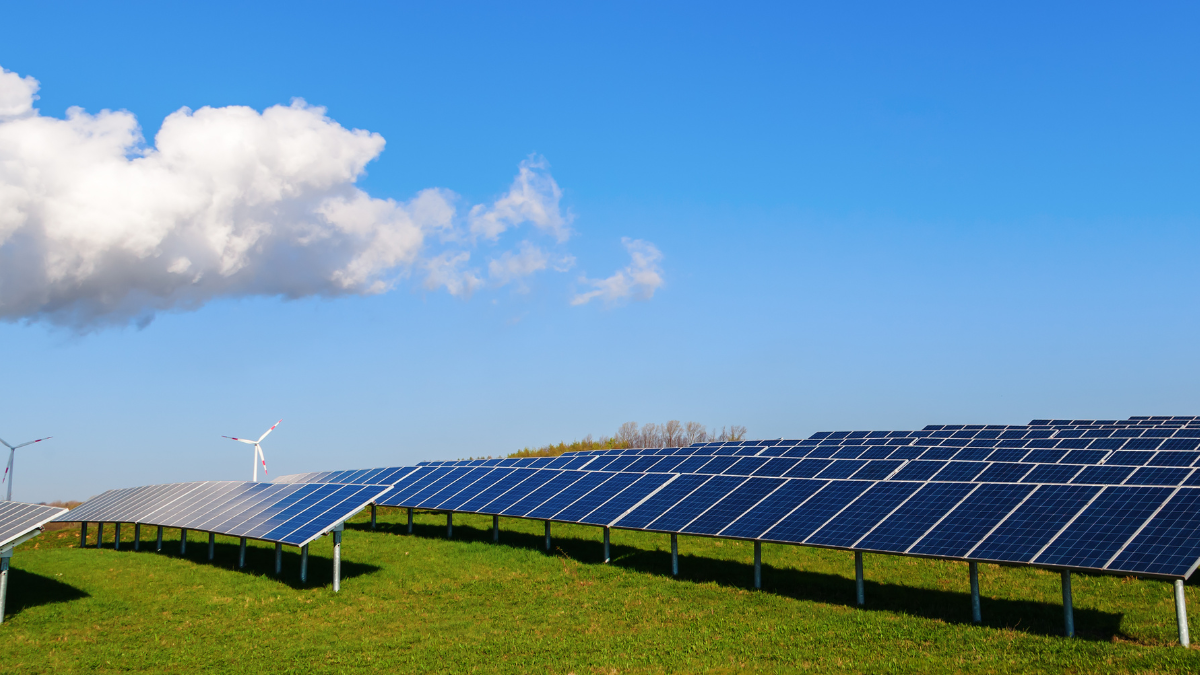
The centerpiece of this rollout is the Ouled Fares facility in Khouribga. With a capacity of 105 MW, it currently stands as the largest operational photovoltaic plant in Morocco. This is supported by two additional sites: a 67 MW facility in Benguerir and a 30 MW installation in Foum Tizi.

The total investment for these three projects reached approximately 1.8 billion Moroccan dirhams ($180 million). By situating these plants within key industrial and mining corridors, OCP has integrated renewable generation directly into the energy supply chain for its global fertilizer production.

Integration with the Green Investment Plan

This initiative is a core component of OCP’s $13 billion Green Investment Plan. The overarching goal of this strategy is to power the entirety of the group’s industrial and mining activities with 100% renewable energy by 2027.

The new solar assets are already providing the total daytime electricity requirements for the Khouribga and Gantour operations. Beyond the environmental benefits of reducing the corporate carbon footprint, the transition to solar power serves to stabilize production costs. This shift is increasingly critical as the global fertilizer market moves toward prioritizing products with verified low-carbon credentials.

Energy Storage and Grid Reliability

To address the inherent intermittency of solar power, OCP has incorporated advanced storage solutions into its infrastructure. At the Benguerir site, a 25 MW Battery Energy Storage System (BESS) has been deployed. This system is designed to store surplus energy generated during peak sunlight hours and discharge it during evening periods of high demand, ensuring a consistent and reliable power supply for continuous industrial processes.

International Collaboration and Future Scaling

The development of these projects has been facilitated by international financial partnerships, including green loans from the International Finance Corporation (IFC) and support from Germany’s KfW development bank.

Looking forward, OCP intends to scale its renewable capacity significantly, with a target of 1.2 gigawatts (GW) by 2027 and an eventual goal exceeding 2 GW. This trajectory underscores a broader trend in heavy industry, where large-scale renewable integration is being utilized to meet national energy targets and secure a leadership position in the emerging low-carbon industrial economy.

POSTAGENS RELACIONADAS

January 12, 2026
Article

OCP Group Advances Decarbonization Strategy with 202 MW Solar Expansion

12 January 2025, London (The Net Zero-Circle by IN-VR)--OCP Group has launched three solar plants totaling 202 MW in Morocco, marking a major step toward its 2027 goal of 100% renewable energy and 2040 carbon neutrality
January 8, 2026
Article

The SR500 Blueprint: How Morocco and Switzerland are Industrializing Rooftop Solar

6 January 2025, London (The Net Zero-Circle) by IN-VR--Morocco and Switzerland’s $500M SR500 program will deploy 500 MW of rooftop solar by 2030 via a landmark Article 6.2 carbon-finance deal to slash industrial energy bills and create 15,000 jobs
December 18, 2025
Article

Foreign Direct Investment in Brazil: Mining at the Center of a New Capital Cycle

16 December 2025, London (The Net-Zero Circle by IN-VR) - Brazil’s foreign direct investment has risen 67% since 2022, with mining emerging as a strategic sector amid energy transition, critical minerals demand and global supply chain shifts.