5 min
•
Ibtissam El Assad

Pioneering the Atlantic: Morocco’s Strategic Roadmap for Offshore Wind

AN EXCLUSIVE INTERVIEW WITH:

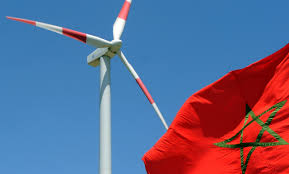
Morocco is advancing plans to establish a major offshore wind presence, centered on a proposed 1 GW facility near Essaouira. This initiative represents a landmark shift in the region’s energy landscape, as it is positioned to become the first large-scale offshore wind farm on the African continent. The project has gained significant momentum through international cooperation frameworks focused on the sustainable development of the Mediterranean and Atlantic maritime zones.

The development is being facilitated by the Blue Mediterranean Partnership (BMP), a multi-donor investment vehicle designed to accelerate the "blue economy" in the Southern Mediterranean and Red Sea regions. This partnership serves as a financial and technical bridge, mobilizing the resources necessary to move large-scale maritime projects from the conceptual phase toward construction. Recent financial commitments from international partners, including a significant multi-million euro contribution from Spain, have bolstered the partnership’s total fund, ensuring that the necessary technical assistance and feasibility grants are available to support Morocco’s offshore ambitions.

This project is the result of several years of foundational work between the Moroccan Agency for Sustainable Energy (Masen) and international financial institutions like the European Investment Bank (EIB). Previous cooperation agreements provided the initial funding for technical assessments and pilot studies along Morocco’s Atlantic coast. These studies were essential for identifying the most viable zones for turbine deployment, taking into account wind speeds, seabed bathymetry, and environmental considerations.

The choice of the Atlantic coast, and specifically the area near Essaouira, is driven by the region’s exceptional natural resources. Technical data indicates that Morocco possesses a vast offshore wind potential, estimated at approximately 200 GW. While the majority of this potential lies in deeper waters that would eventually require floating wind technology, there is a significant 22 GW capacity suitable for fixed-bottom foundations in shallower coastal waters. The Essaouira project aims to tap into these favorable conditions, utilizing established fixed-bottom technology to ensure a reliable and cost-effective entry into the offshore sector.

Beyond the immediate generation of renewable energy, the project is integrated into a broader regional strategy that includes ecosystem restoration and infrastructure modernization. The funding mechanisms supporting the wind farm are part of a wider portfolio that addresses wastewater treatment and coral reef protection in neighboring countries, reflecting a holistic approach to maritime industrialization.

As the project moves toward its targeted construction phase, the focus remains on completing the complex technical and regulatory requirements inherent in offshore development. This includes detailed geophysical surveys of the Atlantic seabed, the design of robust grid connection infrastructure to bring power inland, and the preparation of local port facilities to handle the logistics of massive turbine components.

By successfully launching this 1 GW project, Morocco is not only diversifying its own energy mix but also establishing a blueprint for offshore wind across the continent. The project serves as a signal to international developers and investors that the Moroccan Atlantic is a viable and strategic frontier for the next generation of renewable energy infrastructure.

‍

POSTAGENS RELACIONADAS

November 12, 2026
•
Article

Sahamco Unveils US$25 Billion Green Hydrogen and Ammonia Project in Dakhla

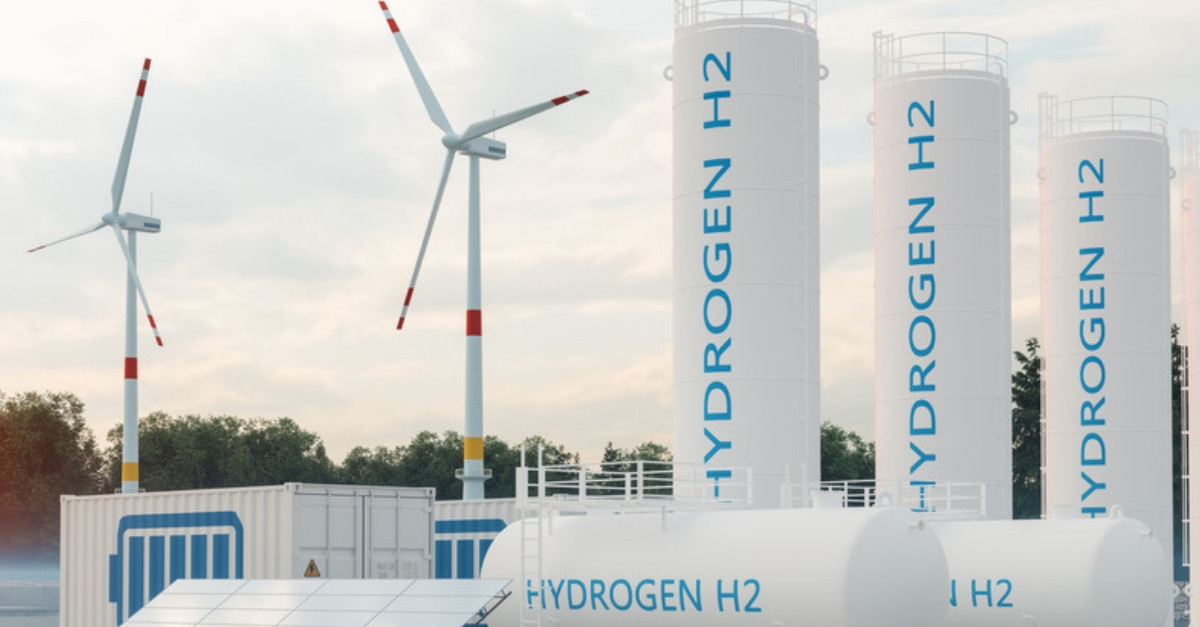
12 November 2026, London (The Net-Zero Circle) Emirati company Sahamco Holding BV has unveiled plans for a US$25 billion renewable hydrogen and ammonia project in Dakhla, in Morocco's Sahara region. It is one of the largest green molecule investments announced in the Kingdom to date. The project is designed to produce one million tonnes of renewable ammonia a year, powered by Dakhla's wind and solar resources. Sahamco says it has completed feasibility and pre-front-end engineering design (Pre-FEED) studies. Several key details, however, have not yet been made public, including the project's partners, financing structure, power capacity and construction timeline.

November 11, 2026
•
Article

Brazil Names 27 Critical and Strategic Minerals in Push to Build a Domestic Supply Chain

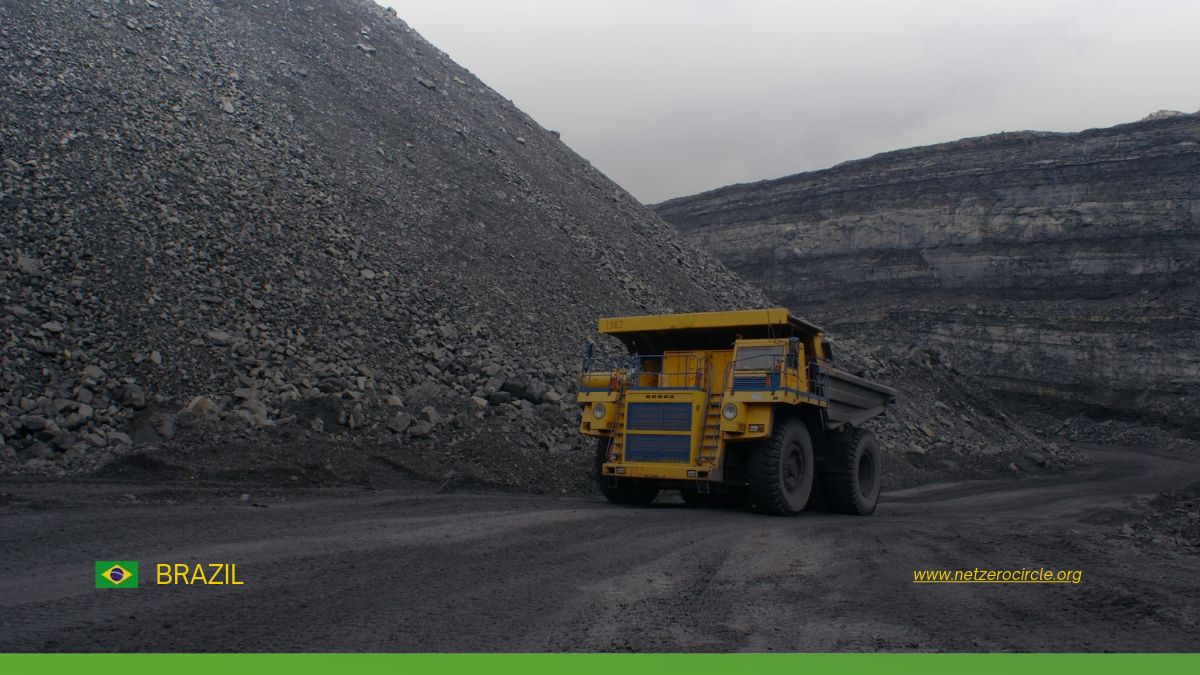
11 November 2026, London (The Net-Zero Circle) Brazil's critical minerals strategy is moving from principle to practice. The government has approved its first official list of critical and strategic minerals, naming 27 substances that will determine which projects can access new state financing as the country seeks to process more of its mineral wealth at home. The list gives investors a clearer picture of where Brasília intends to focus its support. How much it changes in practice, however, will depend on funding, on rules that are still being drafted and on the country's ability to attract private capital.
October 23, 2026
•
News

Brazilian Critical Minerals acquires 90% of Sais Nordeste to secure reagent supply for Ema rare earth project

22 October 2026, London (The Net-Zero Circle by IN-VR) Brazilian Critical Minerals (BCM) is moving upstream of its own mine to secure the reagent its rare earth project depends on. The ASX-listed company has signed a binding agreement, through its wholly owned subsidiary Mineração BBX do Brasil Ltda, to acquire a 90% stake in Sais Nordeste Indústria e Comércio Ltda, a magnesium sulphate producer in Feira de Santana, in the state of Bahia. Financial terms have not been disclosed. The deal reflects a wider shift in how rare earth developers outside China are approaching supply risk. Securing ore and refining capacity is no longer enough; the chemicals used to process that ore matter too. By bringing magnesium sulphate production under its own control in Brazil, BCM aims to cut its reliance on Chinese reagent supply chains and strengthen its position as an upstream supplier to the rare earth industry now being built in Western markets.