•

Chile’s Energy Crossroads: Regulatory Overhaul and Legal Certainty Key to Sustaining Clean Energy Leadership

AN EXCLUSIVE INTERVIEW WITH:
Francisco López

What is the main challenge that Chile is facing today in energy development?

In recent years, Chile has undergone a remarkable transformation in its energy matrix, with a massive influx of new renewable energy projects that have helped reduce emissions from the generation sector while also enabling significant investments.

However, this also presents a challenge, as it requires adapting our regulations to the current reality, demanding regulatory changes that address the needs of an electrical system with nearly 70% renewable energy.

‍

From your perspective as a former energy policymaker and now legal advisor, what are the main regulatory adjustments needed to boost long-term investment in clean energy and transmission?

The necessary changes must be viewed on two levels: first, in general terms of investment, and then specifically within the energy sector.

In general terms, although it is a widely discussed topic, it is essential to recreate an environment conducive to investment—one that promotes the development of projects, especially those that contribute to the country’s sustainable development. Today, in concrete cases, this is difficult to observe, particularly across various public services. Until that changes, it will be hard to regain the pace of investment project development in general (beyond the energy sector).

Regarding the energy sector, particularly the electricity sector, there are significant challenges in updating and modernizing distribution regulations. In terms of transmission, it is necessary to review some of the changes made in recent years, especially those related to location signals and project development. In generation, it is important to assess the changes required for a highly renewable energy mix. However, these changes must be made within the complex context of recent tariff increases, which make any discussion more difficult

‍

How can Chile strengthen legal certainty and institutional trust to remain an attractive and competitive market for global energy players?

It is undeniable that, in terms of natural resources, Chile has great potential. Therefore, it is necessary to analyze other elements that can sustain the country’s leadership in this area. The upcoming election period and the proposed government programs of the various candidates present an opportunity to discuss the main future challenges and the positions of the presidential options.

In this regard, it is important to emphasize that a distinctive factor of Chile relates to legal certainty and regulatory predictability. Any adjustment or modification must be made with consideration for the importance this holds in promoting long-term investments.

POSTAGENS RELACIONADAS

September 30, 2026
•
Article

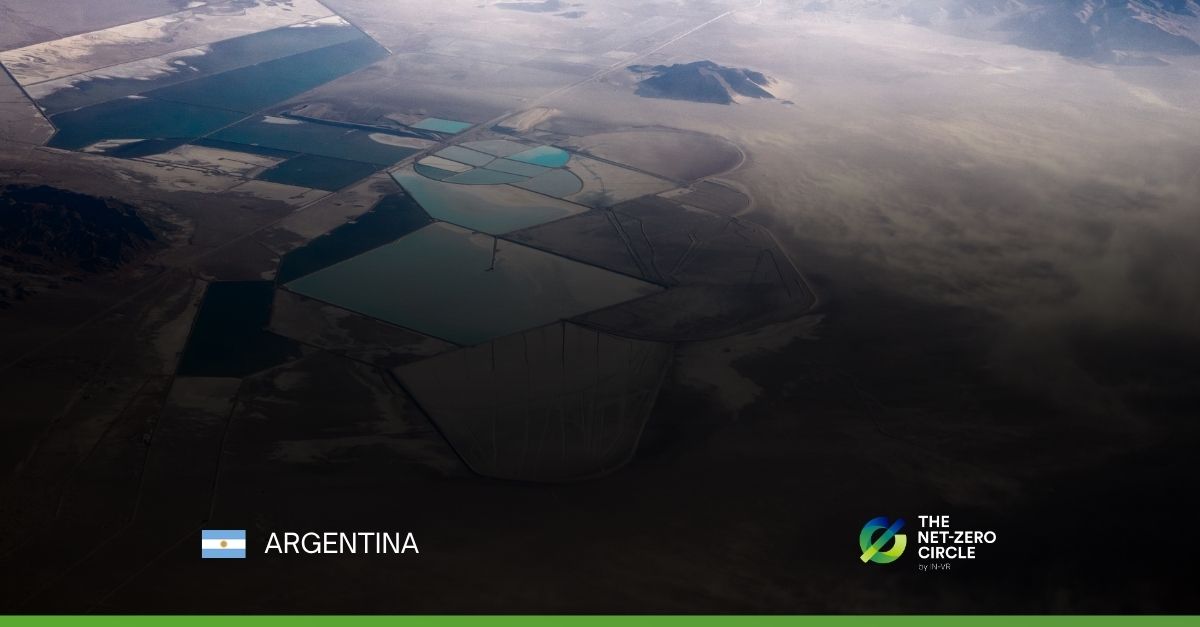
Salta’s Lithium Exports Get a 240-Tonne Boost

Salta has launched its first on-site customs facility for a lithium operation at Ganfeng’s General Güemes processing plant. The system allows lithium chloride to be consolidated, inspected and cleared for export directly at the facility. Following a 240-tonne pilot shipment, the model could help improve the efficiency, traceability and scalability of Salta’s lithium export chain.
September 29, 2026
•
Article

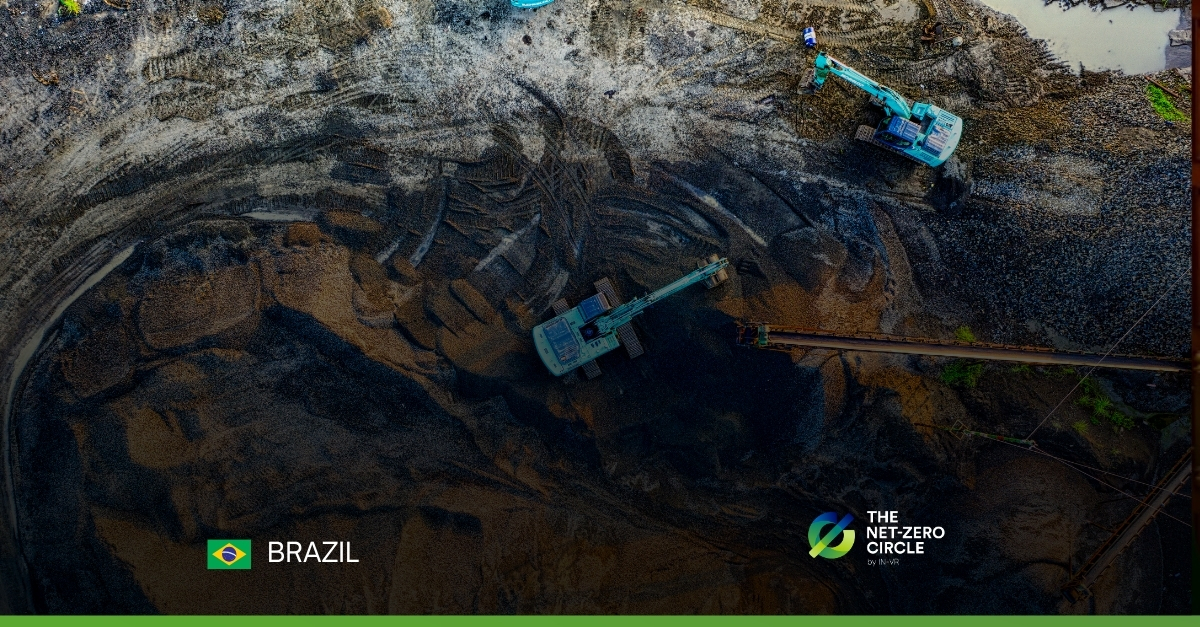
Brazil’s New Critical Minerals Law Reshapes Investment Rules

Brazil’s new critical minerals law strengthens state oversight of strategic mineral assets while keeping the sector open to foreign investment. The policy prioritises local processing, value creation and supply-chain security, with CIMCE gaining powers to review key transactions. Its impact on investment will depend on how transparently and predictably these new powers are implemented.
August 28, 2026
•
Article

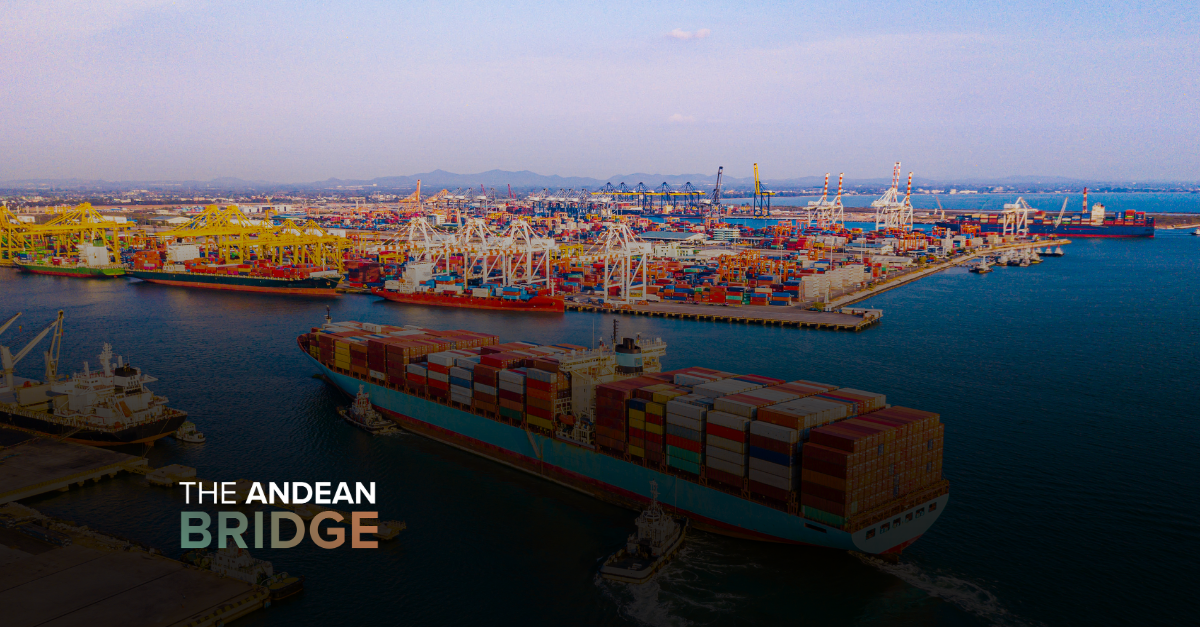
Argentina’s Mining Exports Jump 74.4% in Early 2026

Argentina’s mining exports rose 74.4% to US$4.742 billion in early 2026, led by gold, silver and rapidly expanding lithium production. The next challenge is to turn this growth into an integrated Andean mining platform through better infrastructure, Pacific access and cross-border cooperation.